A Reading List: The Author's Choice
What books do I read? What about articles?
Aryan Dixit
4/16/202310 min read
For the past fifteen (approximate) years, I have been reading. This eclectic collection of writing that I have read has consistently included signposts, shampoo bottles, enormous billboards, t-shirts, and, of course, articles and books. Naturally, I would be one to distinguish between signposts and articles, but to call an article more useful than a massive 'STOP' sign would not be accurate. Nevertheless, for as long as I can remember (and, being nearly 18, this is not a significant amount of memory), I have always stressed (based on my experience) upon reading. For although reading books and articles does not contribute to immediate use, it makes us who we are. After all, who are we but an odd amalgamation of the characters and information we have absorbed around us - most importantly through our reading and experiences . These books and articles offer us a line into the thoughts and minds of people everywhere and (most critically) everywhen.
So, without more allusions to my reading career and childhood literature, I would like to present to you my suggestions of the most original, inventive, or beautiful books and articles that I have chanced upon, especially recently. I do hope you enjoy these books and articles.
The Ten Best Fiction Books
Ten: The Great Indian Novel by Shashi Tharoor
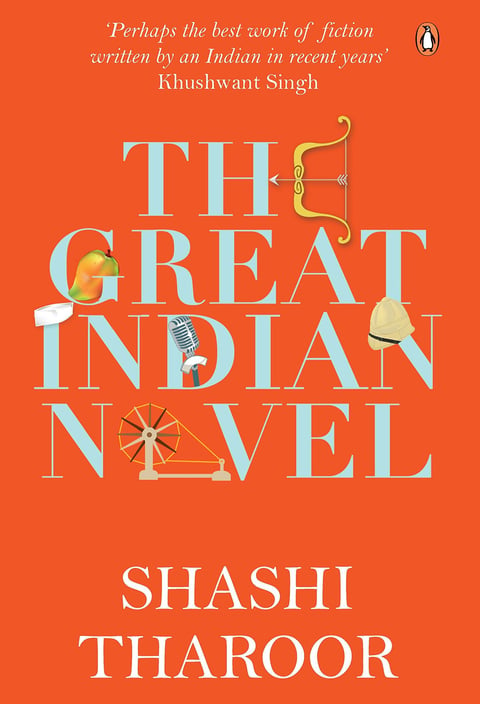
Reinventing the legendary ancient epic of the Mahabharata to tell the story of the independence and post-independence of India. Through an allegorical depiction of several important characters in modern Indian history - from Gandhi to Nehru to Jinnah - Tharoor has written a new fiction for a rebirthed India.
Nine: A Clockwork Orange by Anthony Burgess
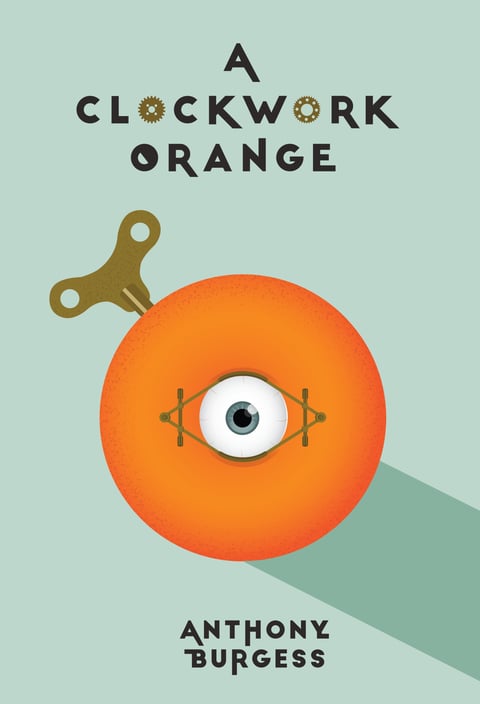
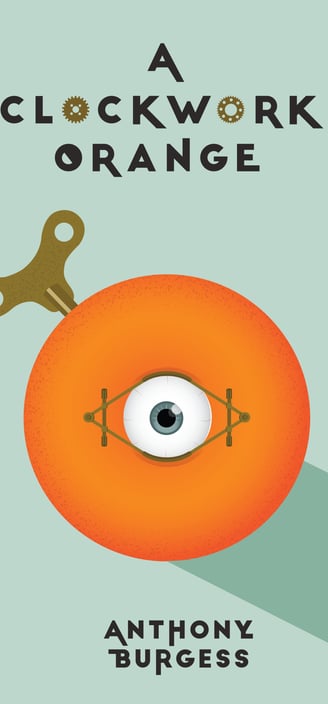
A dystopian novel set in the near-future where the youth sub-culture has grown excessively violent, following the experiences of Alex, the protagonist and narrator, as he is incarcerated by police authorities which aim to reform him. This book discusses several philosophical themes of free will, ethics, law and politics - while being in written in novel Anglo-Russian slang (called Nadsat) invented by the author.
Eight: 1984 by George Orwell
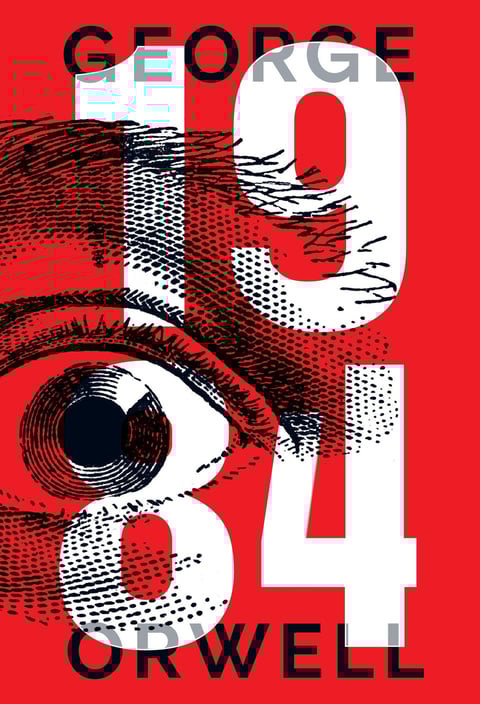

George Orwell's magnum opus, 1984 is the tale of an ordinary man battling to exert his free will against an authoritarian surveillance state ruled by the mysterious Big Brother. A haunting dystopian novel foreshadowing several aspects of the modern 'developed' nation, this book is dark, acidic and brilliant.
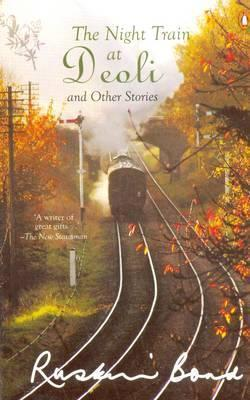
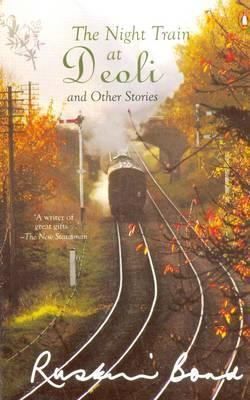
Seven: The Night Train at Deoli and Other Short Stories by Ruskin Bond
Ruskin Bond, one of India's most beloved fiction authors, posits a uniquely beautiful glimpse into everyday rural and Indian life through this collection of short stories. With his exuberant writing, he writes the beauty of even the mundane through the pure, unfiltered eyes of adolescents in this collection.
Six: Watchmen by Alan Moore and Dave Gibbons
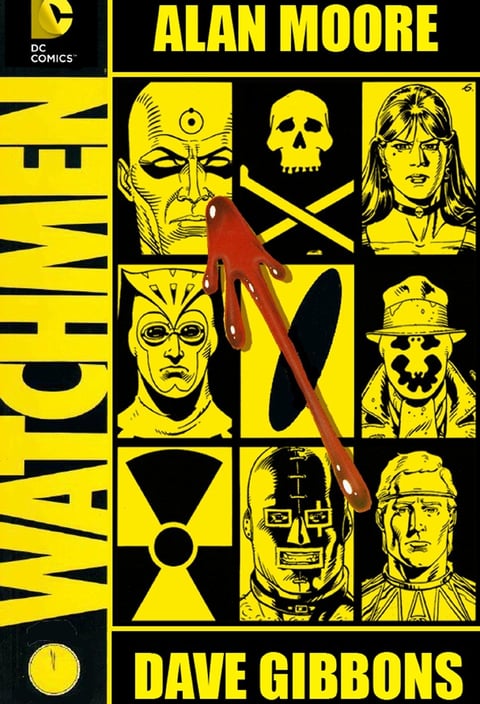
This graphic novel, narrated by the brooding Rorschach (a vigilante of limited mercy), tells of an alternate history where superhero-wannabe vigilantes rise in the US in the 1940s. Selfish, eccentric, and trinket-like - Moore's superheroes are more human than merely do-gooders of high repute. Revolving around an apparent dark plot to murder superheroes, this book explores the dark themes of superhero novels and our obsession with them.
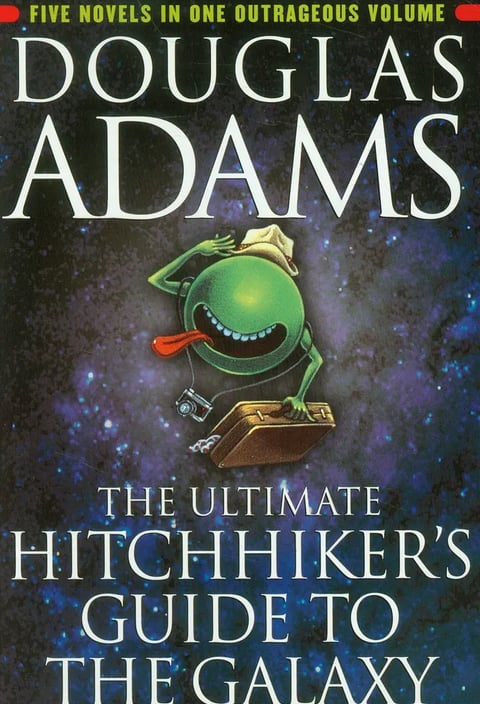
Five: The Hitchhiker's Guide to The Galaxy by Douglas Adams
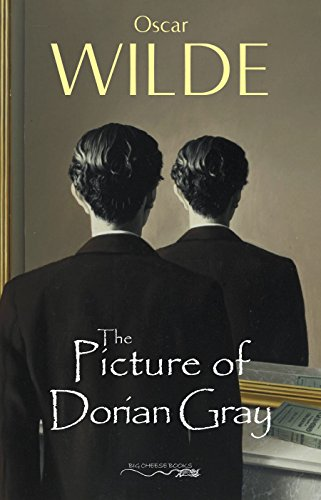
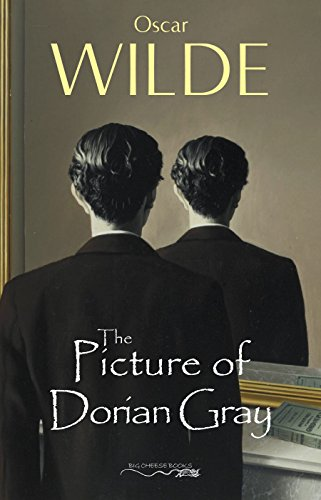
A chilling novel which chronicles the rise and fall of vain youthful beauty in the form of the handsome Dorian Gray, this book is Oscar Wilde's finest piece of writing. A young man, obsessed with his beauty and youth, and the corruption of his soul and mind through this obsession: Wilde's only true novel is masterpiece from start to finish.
Three: The Stranger by Albert Camus
The hilarious and ruminative saga of an unassuming Earthly man, Arthur Dent, as he is saved by his best friend (who turns out to be an alien) from the destruction of Earth for the construction of an inter-galactic highway, is one of the most innovative pieces of science-fiction today. Through Adams' expansive and humorous writing, this saga, initially a BBC Radio broadcast, is a must-read.
Four: The Picture of Dorian Gray by Oscar Wilde
Short, yet eye-opening, The Stranger is an absurdist fiction following the odd narrator, Meursault. Exploring existential themes and the genera absurdity of life, Camus' novel is a departure from traditional philosophical fiction through its blunt writing, befitting of Meursault.
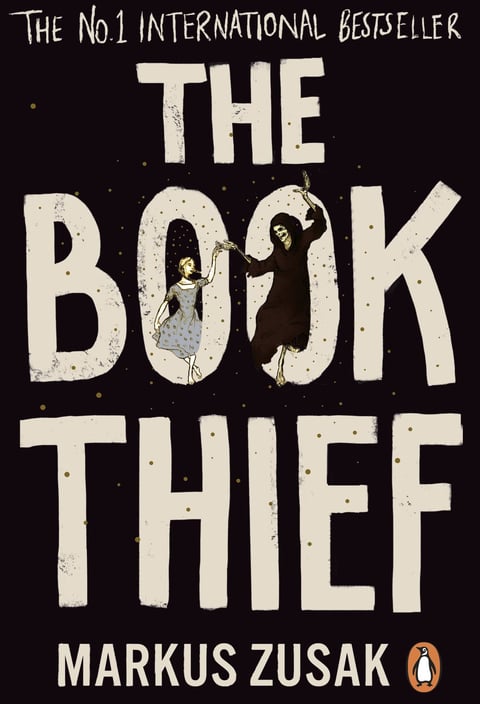
Two: The Book Thief by Markus Zusak
Beautiful, enchanting and original - Zusak's epic narrates the tale of a young girl allured by reading in war-ridden Molching, Germany. Narrated by Death, the book offers a unique perspective into the lives of the victims in every war.
One: Catch-22 by Joseph Heller
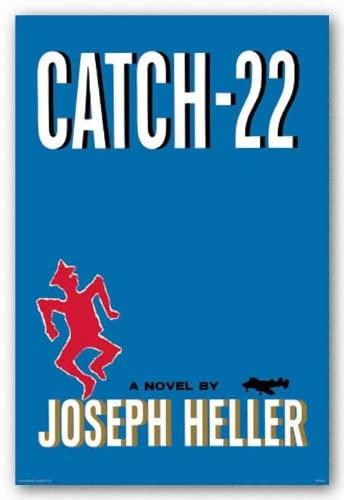
Without question, Catch-22 tops this list of fiction books, through its satirical adventure of epic-proportions following the misadventures of USAF pilot, Yossarian. The book's title refers to a condition for military release, where to be released from flying missions, a pilot must be declared insane. Yet, to wish to be declared insane was a sign of sanity - the Catch-22. This book questions the nature and mechanisms of the American (and national) war machine with strong anti-war sentiments.
Now that the fictional books are through, here are some of my top recommendations for non-fiction books and articles. Living up to the spirit of inquiry and explanation, these books and articles provide comprehensive information in their respective fields in an engaging manner.
The Ten Best Non-Fiction Books
Ten: Persepolis by Marjane Satrapi
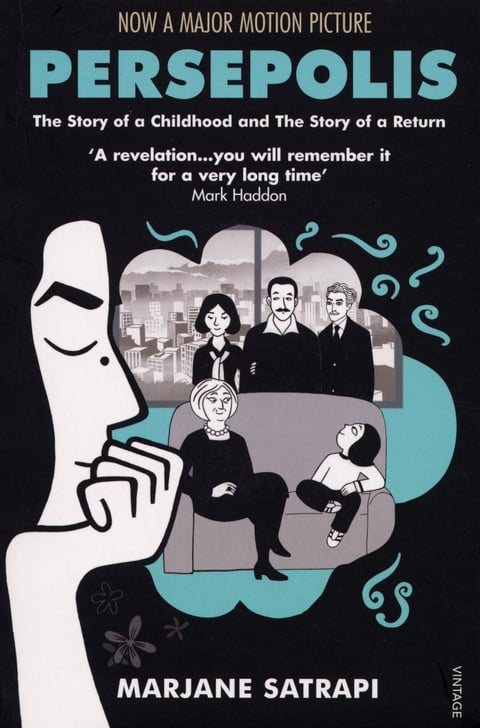
What is it like to live under the Ayatollah regime having tasted the freedom of the years before it? Through the eyes and drawings of Marjane Satrapi, we get a glimpse of the answer to this question. This book is a story of personal rebellion, of love and loss, and above all, survival in a system built to destroy hope and confidence.
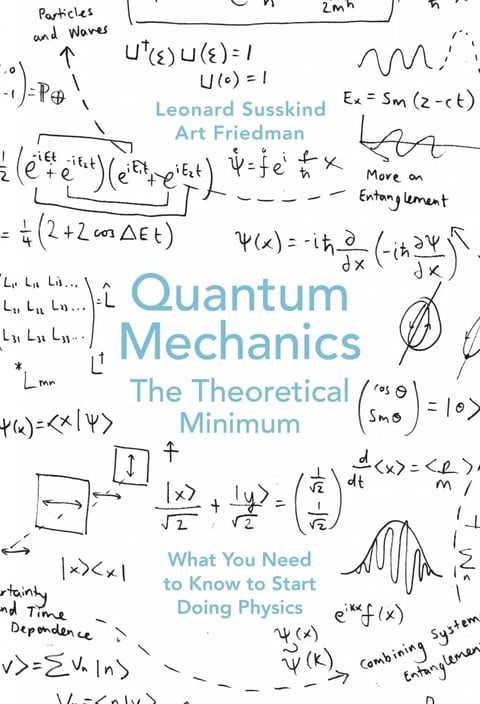
Nine: Quantum Mechanics: The Theoretical Minimum by Leonard Susskind and Art Friedman
At the heart of intelligence is the ability to explain complex concepts in simpler ways. True to this word, Susskind's book on Quantum Mechanics is a must-read for any science enthusiast or wannabe physicist. Explaining the basics of quantum mechanics with exercises and practice, this book is the simplest introduction to the subject available today.
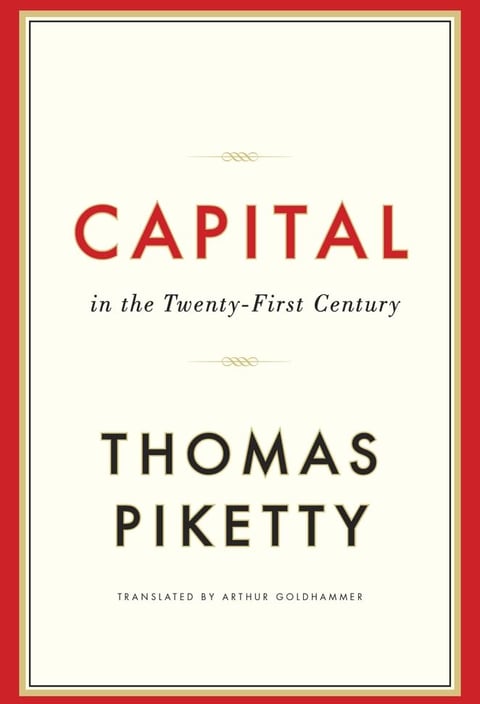
Eight: Capital in the Twenty-First Century by Thomas Piketty
Wealth, capital and its distribution. By analysing trends of over fifty years, French economist Thomas Piketty wrote his thesis work on capital. Through simplistic prose which non-economic enthusiasts can also understand, Piketty discusses the nature and cause of inequality in today's society.
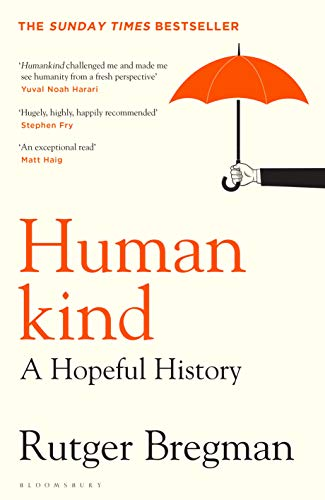
Seven: Humankind A Hopeful History by Rutger Bregman
Have you ever wondered about the inherent nature of humankind - is it selfish? The answer to this eternal question lies in this book by Dutch journalist Rutger Bregman. Spanning expansive philosophical works and psychological experiments, packed with real-world examples, this book is a resounding celebration of the Rousseauian ideal of the inherently good man.
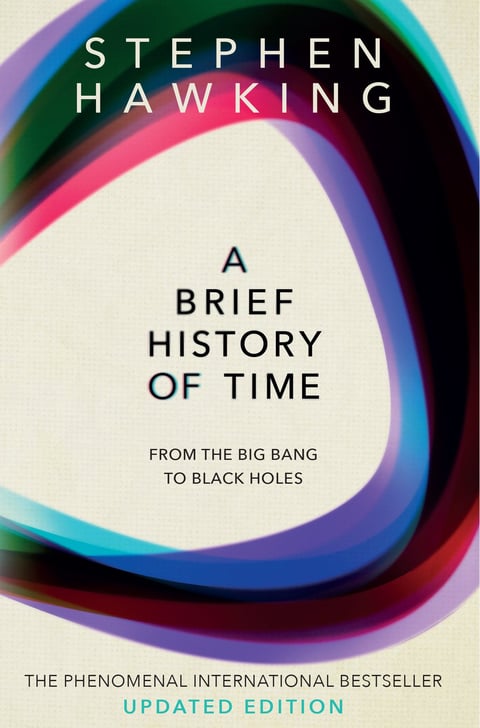
Six: A Brief History of Time: From The Big Bang to Black Holes by Stephen Hawking
A famous book, even amongst non-scientists, Hawking's exposition of cosmology and physics is unparalleled. Through his lucid writing, using one solitary equation (and that is all), the author explains general relativity, quarks, fundamental forces, etc.
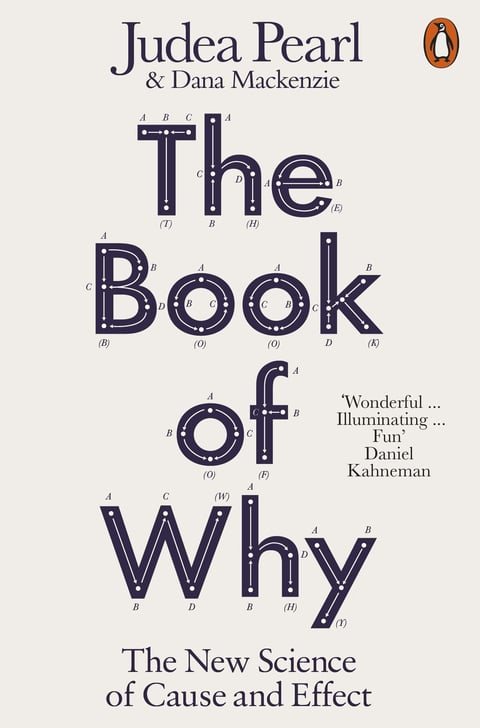
Five: The Book of Why: The New Science of Cause and Effect by Judea Pearl and Dana Mackenzie
Correlation is not causation - but then what is causation? In search of an answer to this question, the authors of this book discuss a landmark innovation in the field of statistics - causal inference. With engaging, clear writing, this book traces the past, the present and the future of this new science of causation and its probable applications.
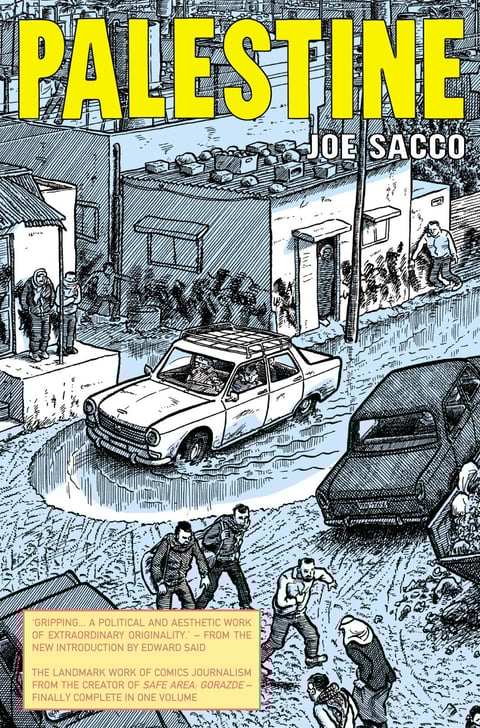
Four: Palestine by Joe Sacco
A revelatory personal account of Sacco's days in and around the West Bank and Gaza as the region entered its first intifada, Sacco explains the account from the perspectives of the oft-sidelined Palestinians. Written as a graphic novel, this book is a profound take on personal suffering in an impermanent world of constant conflict.
Three: The Communist Manifesto by Karl Marx, Friedrich Engels, et al.
Spanning merely 30-40 pages, this book (or more aptly, pamphlet) inspired generations of revolution and rebellion - and for good reason. Straightforward, curt, and rebellious, Marx's thesis statement on class conflict can be best explained by this simple manifesto.
Two: Why Nations Fail: The Origins of Power, Prosperity and Poverty by Daron Acemoglu and James A Robinson
Why is it that some nations succeed while others fail? What is it that cultivates power and prosperity and what leads to poverty? Pondering these questions, economists Acemoglu and Robinson explore institutional failures and the nature of the failed state.
One: The Selfish Gene by Richard Dawkins
The gene is one of the modern world's greatest mysteries - the more we know, the less we do. What makes this book different is its elaborate discussion of the nature and meaning of the gene, and its quest for immortality. Non-technical, elaborate, and effusive - this book crowns this genre.
Top Ten Best Articles
Ten: Why Sleep Paralysis Makes You See Ghosts by Baland Jalal in TIME (March 3, 2023)
Based on a scientific paper by the article's author and his colleague, V S Ramachandran, the article argues a new mechanism to explain the reasons and causes of sleep paralysis - paralysis upon sleeping or awakening. In particular, through excellent style, Jalal takes us through their theory behind why humans see ghosts and monsters - especially faceless ones.
Nine: The idea of 'precolonial Africa' is vacuous and wrong by Olúfémi Táíwò in AEON (January 13, 2023)
Táíwò, author of several prior books on Africana studies and colonialism in Africa, has written this brilliant piece discussing the overall inaccuracy in the assumption and breakdown of African history into precolonial and postcolonial. This article calls to prevent the mischaracterisation and misrepresentation of colonialism as new or original in the context of African history.
Eight: Pakistan's Transgender Community Rises Up by Hasan Ali in THE NATION (January 9, 2023)
For generations, Pakistan's transgender, inclusive of intersex, community was dominated by cult-like groups or sects involving several disturbing practices such as the sale of members and organised, forced begging, as pointed out here by Hasan Ali. This article chronicles the rise of Pakistan's transgender community beyond the shackles of its past.
Seven: Why Is America Obsessed With Racial Trauma by Saadi Khan in YES! Magazine (August 12, 2022)
American society has had the unique problem of demanding trauma from racial minorities, almost like a rite of passage. This fueling of a saviour complex has only furthered racial divisions in the already polarised US, as Saadi Khan points out in this article.
Six: The Real Wakanda: How an East African Kingdom Changed Theodore Roosevelt and the Course of American Democracy by Johnathon L Earle in POLITICO (March 10, 2023)
A dive in the the fascinating history of Buganda, an advanced British protectorate whose complex governing mechanisms changed Roosevelt from white supremacist to racial equity activist. This article is an engrossing read from Earle.
Five: What Plants Are Saying About Us by Amanda Gefter in NAUTILUS (March 7, 2023)
For long, humans have been blind to the life of plants - their existence which moves on separate from the world we live in. This article is an intriguing plunge into the world of plant thought and a freedom from 'plant blindness'.
Four: The Culture Wars Look Different on Wikipedia by Noam Cohen in THE ATLANTIC (January 22, 2023)
Conflict resolution and its contrarian harmony on Wikipedia have always baffled experts. How does Wikipedia do it? This article elucidates the philosophy and critical ability of Wikipedia to maintain its encyclopaedic nature in a digital world governed by trolls and critics.
Three: What we lost with Persianate modernity by Alexander Jabbari in AEON (March 7, 2023)
While globalisation is expected to further cultural assimilation and reverence, Jabbari contends that the Indo-Iranian cultural exchange fostered and created modern Iranian nationalism. This longform read is an excellent exposition of the rise of nationalism and identity in Iran.
Two: The rise of Archaeologists Anonymous by Stone Age Herbalist in UNHERD (December 3, 2022)
As political narratives build, for better or worse, in science, certain scientists grow wary that political headlines may lead scientific discourse in the wrong direction. As 'Stone Age Herbalist' writes, this had resulted in the formation of isolated, anonymous research groups to counter the rise of the politicisation of archaeology.
One: The Bomb Didn't Beat Japan ... Stalin Did by Ward Wilson in FOREIGN POLICY (May 30, 2013)
It is often believed that the atom bomb was responsible for Japanese surrender at the end of World War II. Yet, how founded are these assumptions - could other factors be responsible instead? This opinion-changing piece by Ward Wilson precisely captures the zest of inquiry without jumping to conclusions here.